

RECENT POSTS

Grade A, B or C: what laptop grades actually mean in Nigeria
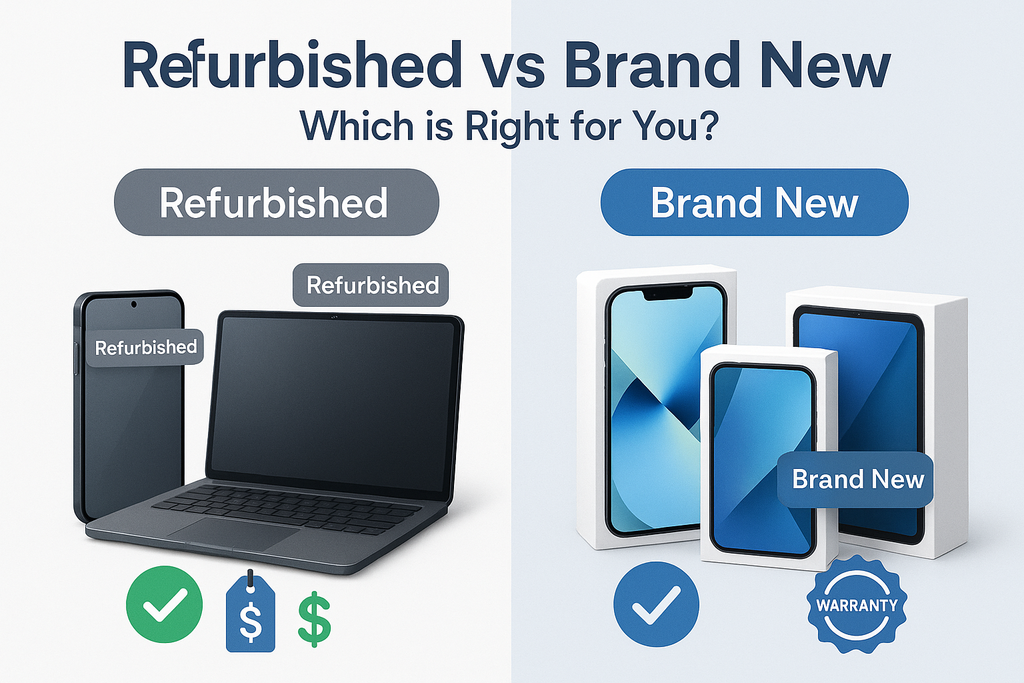
If you have shopped for a UK-used or refurbished laptop in Nigeria, you have seen the letters. Grade A. Grade B. Grade C. Sellers throw them around freely, and buyers are often left guessing whether a grade says something about how well the machine works or just how it looks.
Here is what the grades mean at TrustedTech, and what they should mean anywhere.
Grades describe appearance, not performance
This is the part most people get wrong. A grade is a cosmetic label. It tells you about scuffs, scratches and dents on the case. It does not tell you the machine is slower, weaker or closer to dying.
Every device we sell is fully tested and fully working before it is listed, whatever the grade. A Grade C laptop runs exactly as well as a Grade A one with the same specification. It just looks like it has had a life.
Grade A: excellent condition. Minimal to no signs of previous use, clean screen and body. It looks close to new.
Grade B: very good condition. Light scuffs or faint scratches from normal use. You would notice them if you looked, and forget them within a week.
Grade C: heavier cosmetic marks, dents or visible wear. Fully functional, and priced accordingly.
Why Grade C is often the smartest buy
If the laptop is going on a desk and staying there, cosmetic wear costs you nothing. You are paying less for marks you will stop noticing almost immediately.
We list an HP EliteBook 8470p at Grade C with an i5, 16GB of RAM and a 512GB SSD. The specification is far better than what that money usually buys, precisely because the case is not pretty. If you want the machine to work rather than to impress, that is where the value sits.
What a grade does not cover
A grade says nothing about battery health, which is a separate thing and matters more. Laptop batteries are consumable and wear with age regardless of how the case looks. We measure and publish battery health separately, and outright battery failure is covered for 30 days.
A grade also says nothing about warranty. Every grade we sell carries the same 3-month TrustedTech warranty. A Grade C device is not less protected than a Grade A one.
Questions worth asking any seller
Before you pay for any UK-used laptop in Nigeria, ask these:
What processor generation is it? An i7 from 2015 can be slower than an i5 from 2021. The generation matters more than the i5 or i7 label.
What is the measured battery health? If the seller cannot tell you, they have not checked.
Is the storage an SSD or an older mechanical drive? This single difference is the most noticeable thing in everyday use.
What does the warranty actually cover, and for how long?
Was the previous owner's data wiped, and how?
A seller who can answer all five without hesitating is a seller worth buying from. One who cannot is guessing, and you will be the one who finds out what they missed.
How we grade
Every device we bring in from the UK is inspected, tested, data-wiped and graded before it goes on the site. The grade is written on the listing. The battery health is written on the listing. The price reflects both.
You can see the full range at trustedtech.ng, or message us on WhatsApp at +234 705 178 3312 with your budget and what you need the machine for, and we will tell you honestly which grade makes sense for you.


